Technology overview
Treeal combines material engineering, energy generation, and sensing technologies into a modular, controllable environmental system.
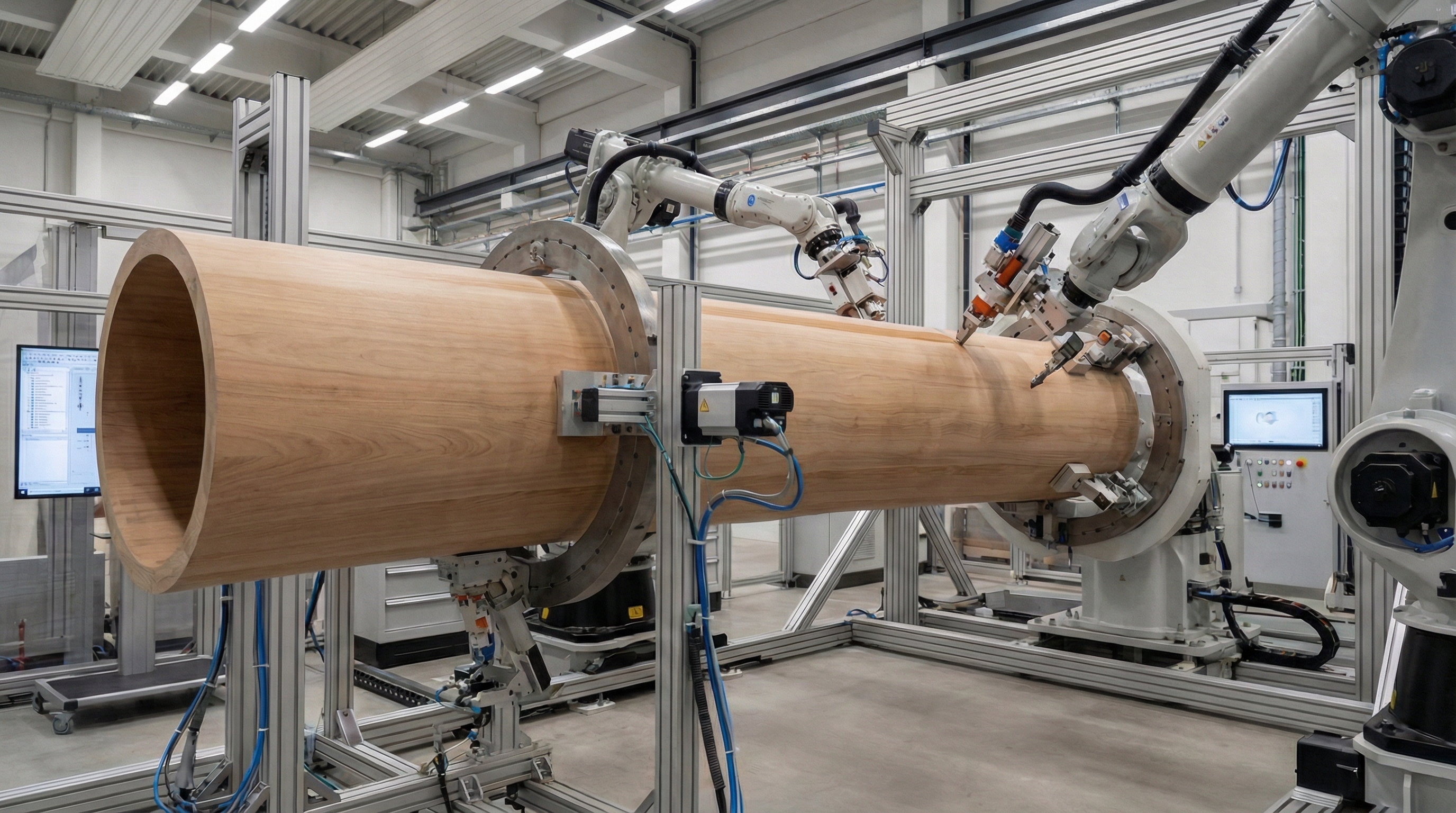

Combining engineered materials,
energy-generating structures, and embedded systems
into a scalable environmental infrastructure.
Treeal combines material engineering, energy generation, and sensing technologies into a modular, controllable environmental system.
Treeal units use engineered wood materials designed for structural stability, resistance, and long-term outdoor operation.
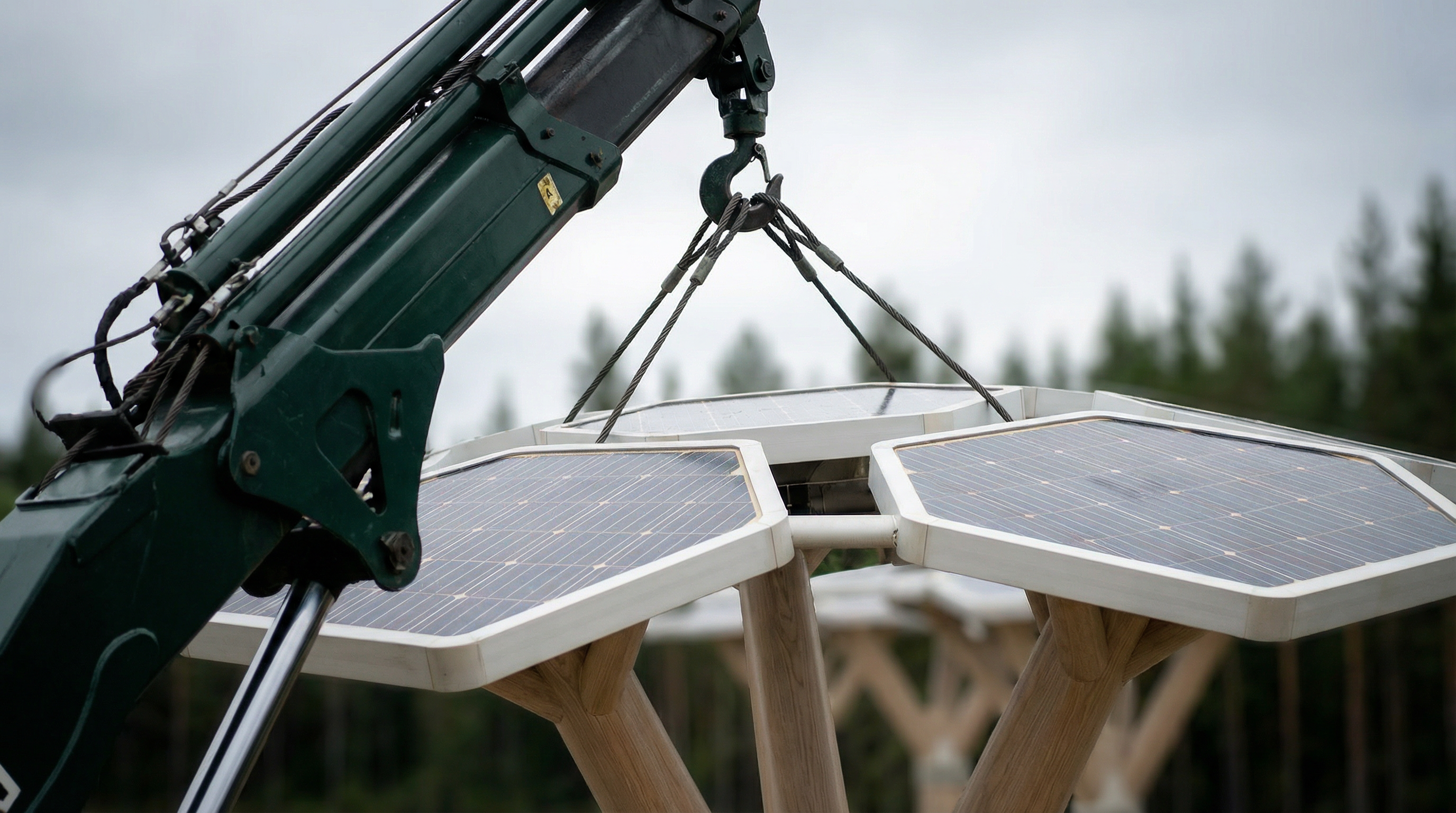
Treeal units integrate energy-harvesting surfaces to generate power while delivering measurable environmental output.
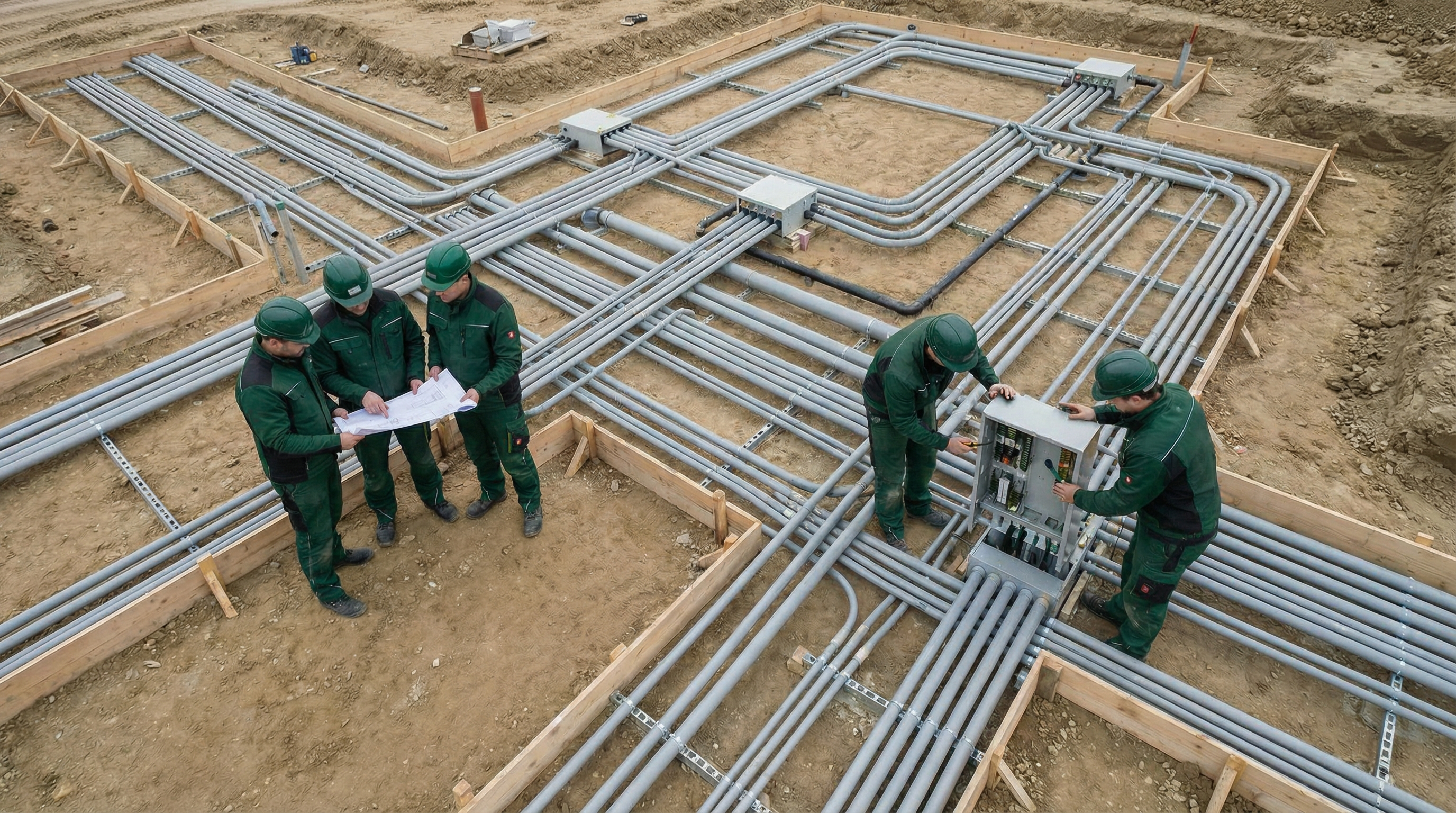
Treeal units operate as a connected infrastructure with embedded sensing systems that measure performance and data.
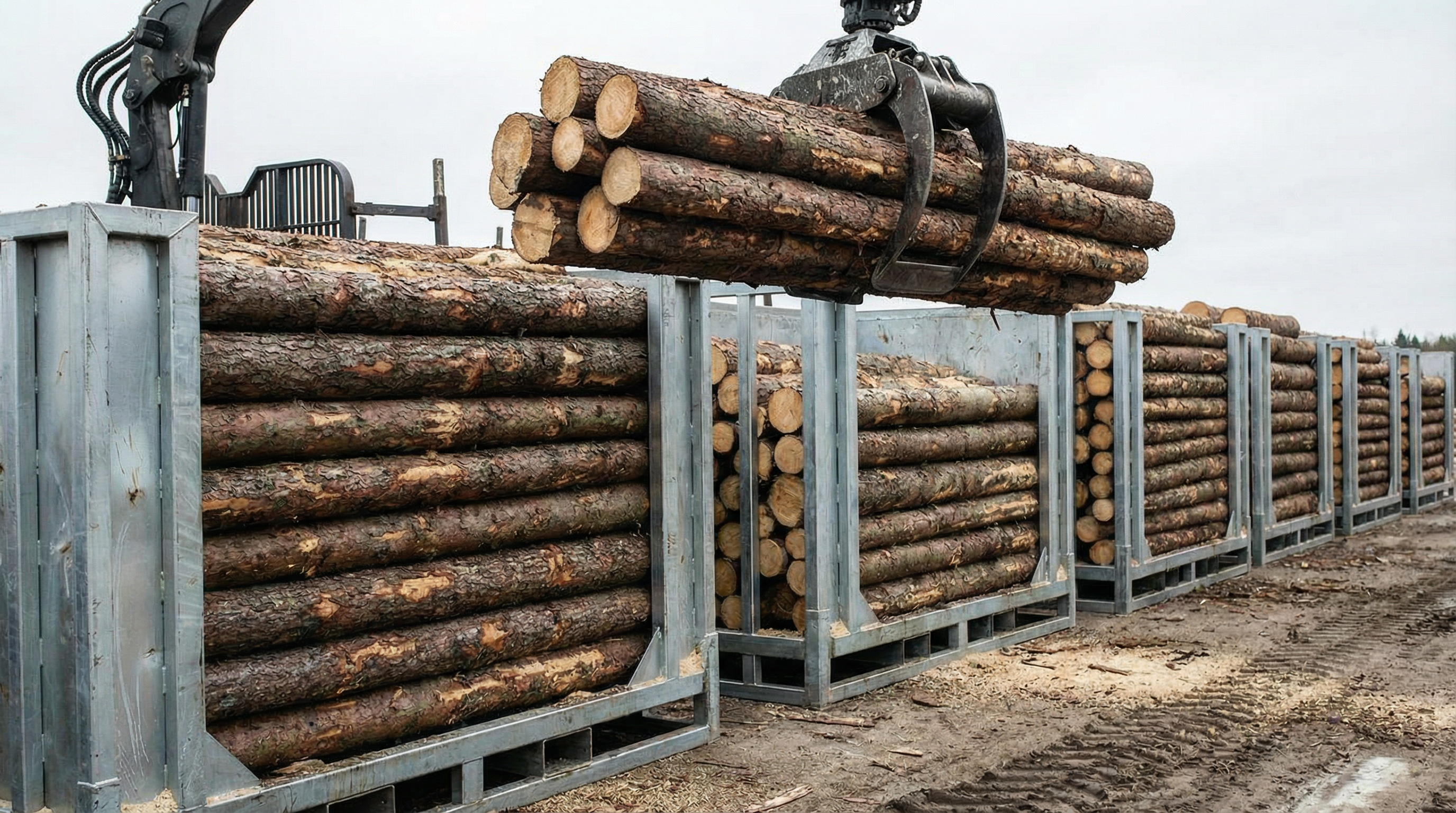
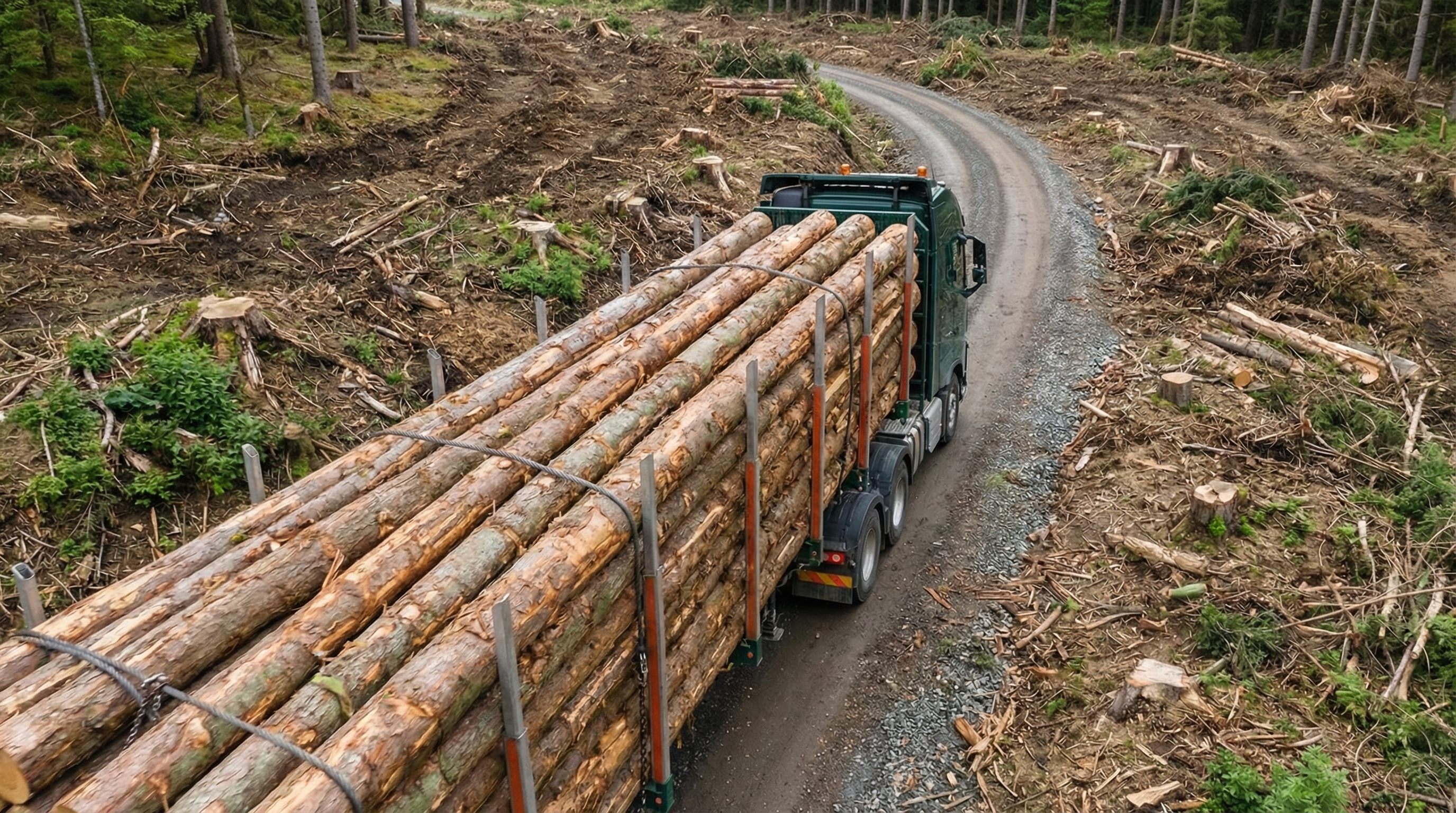
Selected forest areas are systematically decommissioned through controlled clearing operations. Biological trees are removed according to predefined parameters, and the site is transitioned from ecological growth to industrial land use. Recovered biomass is processed on site to separate usable material from organic residue. Selected wood fractions are preserved and transported to Treeal facilities for further engineering and integration.
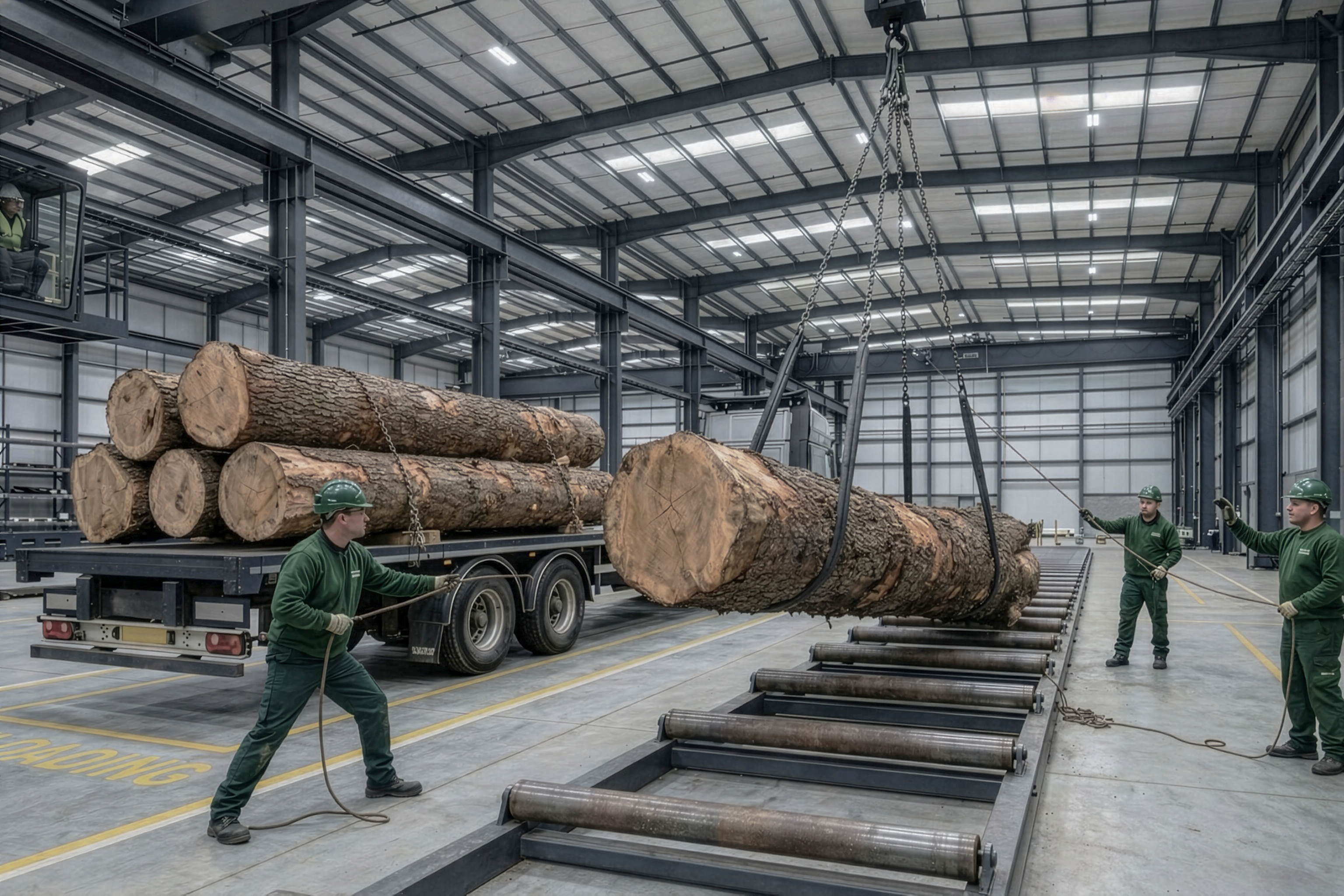
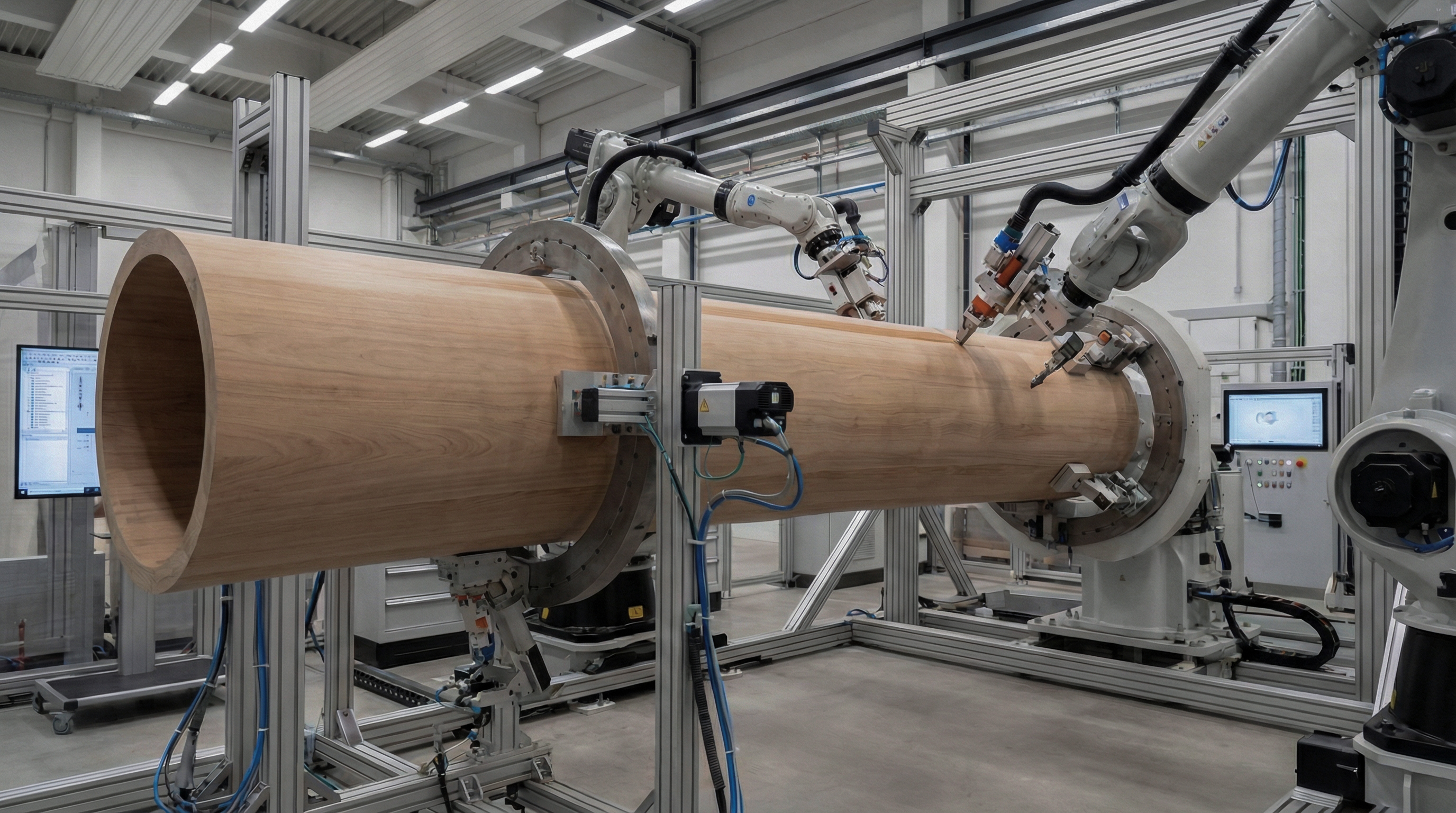
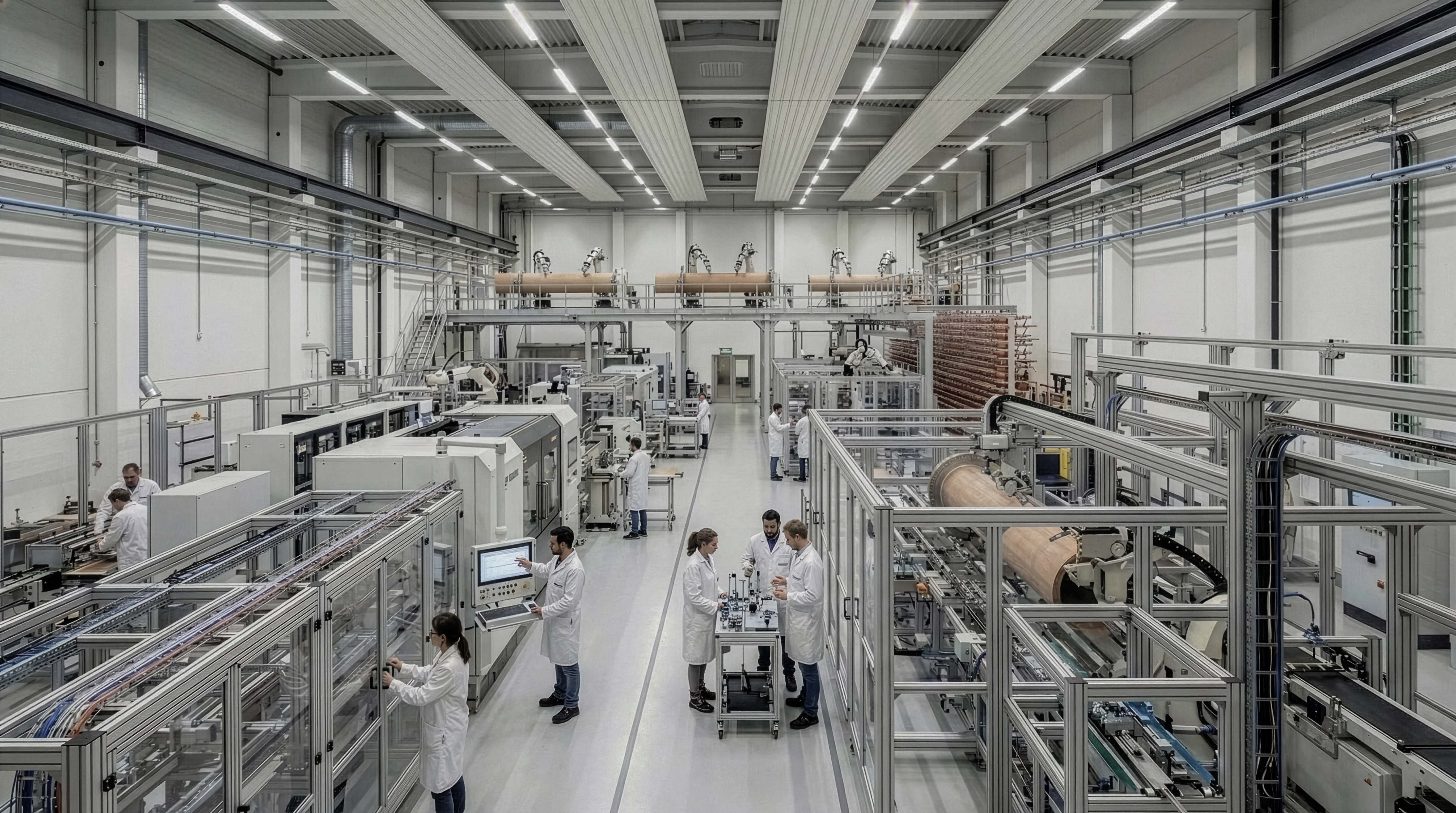
Recovered biological material is converted into engineered structural components through controlled industrial processes. Wood is stabilized, densified, and treated to meet long-term mechanical and environmental performance requirements. In parallel, photovoltaic modules and technical subsystems are manufactured and calibrated for system integration. At this stage, biological variability is eliminated and replaced with standardized, predictable material behavior.
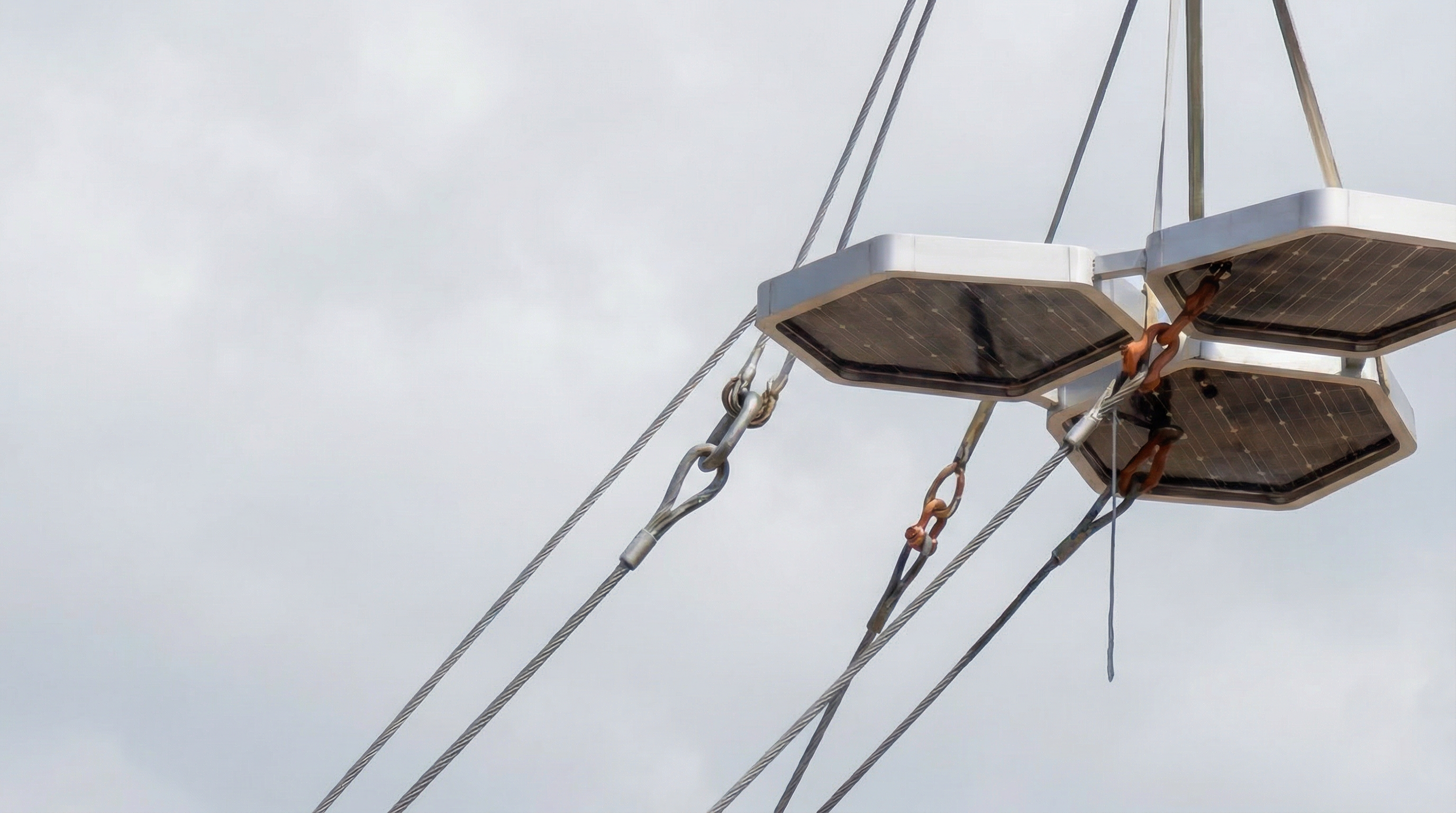
Prepared sites are equipped to host the Treeal infrastructure. Engineered units are transported, installed, and assembled according to standardized deployment protocols. Once activated, Treeal units operate as a connected system, replacing biological trees with a monitored, energy-generating and data-producing forest infrastructure. From this point forward, environmental performance is measured, optimized, and reported continuously.